Realtek Advances 3nm ASIC Strategy as AI Drives Taiwan’s Semiconductor Growth
Chairman Chiu Shun-chien highlights expansion in custom chips, high-speed interconnects, optical communications and Wi-Fi 8 as key opportunities for Realtek and Taiwan’s IC design industry.
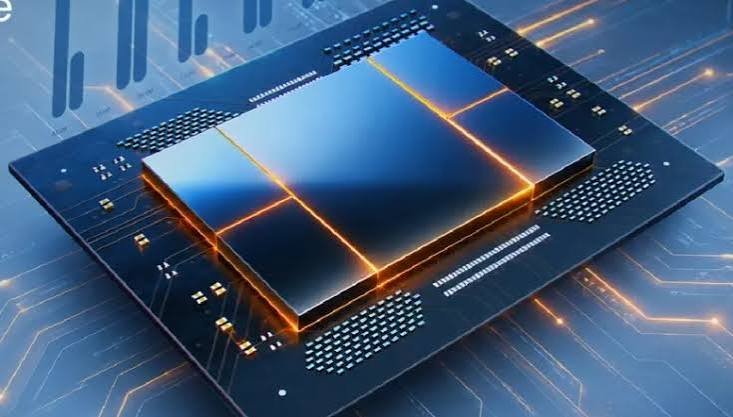
Realtek Semiconductor is expanding its presence in higher-end custom chip development, with Chairman Chiu Shun-chien revealing that the company’s ASIC projects have now reached the 3nm process node. Speaking after being inducted as an Academician of Taiwan’s Industrial Technology Research Institute (ITRI), Chiu also confirmed that Realtek is working with Nvidia and other international technology companies as it develops its custom semiconductor business.
Chiu said Realtek has historically maintained a relatively low profile regarding its advanced-node development. While the company has operated an ASIC business for some time, its scale has remained smaller than that of major Taiwanese IC design companies such as MediaTek. However, he indicated that Realtek intends to expand its ASIC activities progressively, with future growth expected to be driven by customer requirements and market opportunities.
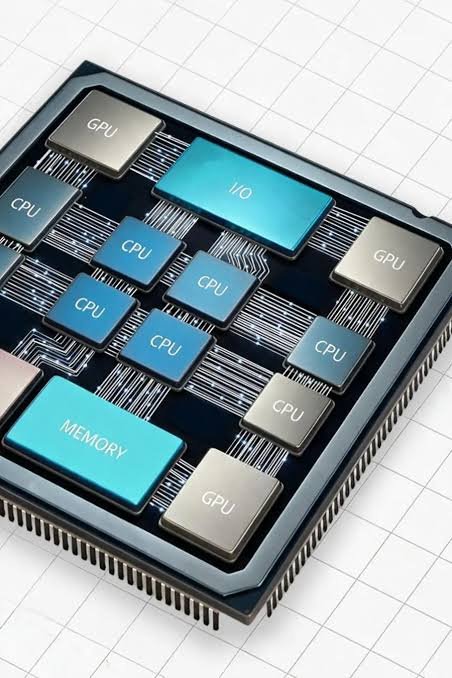
The chairman described the increasing collaboration between major technology companies and Taiwanese chip designers as a natural development of the semiconductor industry. As systems become more sophisticated and companies seek greater product differentiation, demand for customised silicon is increasing alongside the traditional market for standard semiconductor products.
Chiu pointed to the recent Nvidia-MediaTek relationship as an example of this broader shift. The partnership combines strategic investment with technology collaboration, allowing MediaTek to pursue opportunities in custom AI chips while incorporating Nvidia technologies into future data-centre platforms. According to the information cited in the report, Nvidia invested US$3.5 billion in MediaTek through convertible bonds, while the two companies are also working with technologies including NVLink Fusion and NV-HBM.
For Taiwan’s IC design industry, Chiu believes this model could become increasingly common as customers seek closer involvement in chip development. Greater cooperation between system companies and semiconductor designers can allow customised products to reach the market more quickly while helping technology companies respond to rapidly changing AI workloads.
High-Speed Interconnect and Optical Communications Become Key Priorities
Beyond ASICs, Chiu identified high-speed interconnect interfaces and switches as two of the most important growth areas for Taiwan’s semiconductor industry. As AI systems require increasingly large volumes of data to move between processors, memory and other components, high-bandwidth connectivity is becoming a critical part of system performance.
Optical communications is another area Realtek expects to develop further. Chiu said optical technologies are becoming increasingly important for AI infrastructure, prompting major technology companies around the world to invest heavily in the sector. Realtek is developing related intellectual property and products, although he acknowledged that Taiwan still has ground to cover compared with leading international players.
The development of silicon photonics and co-packaged optics is also gaining attention across Taiwan’s semiconductor ecosystem. The country’s strong position in advanced semiconductor manufacturing and outsourced assembly and testing provides a potential foundation for developing technologies that combine silicon processing with optical connectivity.
Government-backed initiatives are adding further momentum. Taiwan has identified silicon photonics as an important component of its future AI infrastructure strategy and has introduced programmes aimed at supporting research and development in the field. International investment is also increasing, with major semiconductor and technology companies exploring optical solutions to address the growing connectivity requirements of AI data centres.
Realtek Moves Ahead with Wi-Fi 8
Realtek is also progressing rapidly in wireless connectivity. Chiu said the company has already moved Wi-Fi 8-related products into mass production, rather than limiting its efforts to research and development. The company is continuing to work on subsequent generations of wireless technology as it expands its connectivity portfolio.
The development comes ahead of the formal completion of the Wi-Fi 8 standard. Industry participants have traditionally introduced products based on emerging specifications before standards are formally ratified, allowing manufacturers and customers to gain early experience with new technologies.
For Realtek, the move reflects the broader acceleration of wireless technology development as connected devices, AI-enabled applications and increasingly data-intensive networks place greater demands on connectivity.
Foundry Costs Add Pressure to Semiconductor Supply Chains
Chiu also addressed rising foundry costs and the broader changes taking place across the semiconductor supply chain. He said pricing will naturally adjust as global supply and demand conditions change, with Realtek maintaining close communication with customers and partners to manage the impact.
Recent price increases among leading foundries have been linked to strong demand for advanced semiconductor manufacturing capacity, particularly from AI-related applications. Higher demand for a leading-edge nodes is putting pressure on available capacity while encouraging foundries to adjust pricing for certain advanced manufacturing services.
Chiu expects resource allocation across the industry to continue evolving. Some manufacturing capacity previously directed towards consumer-oriented products could increasingly be re adirected towards selected AI applications. Despite these changes, Realtek plans to continue investing in Wi-Fi and other product categories while developing technologies for emerging markets.
Realtek’s Evolution Mirrors Taiwan’s Semiconductor Journey
Reflecting on his recognition as an ITRI Academician, Chiu said Realtek’s development over almost four decades has closely followed the evolution of Taiwan’s technology industry. The company began with products such as network interface chips before expanding into a much broader range of connectivity and semiconductor technologies.
He views the industry's next phase as being shaped increasingly by artificial intelligence and intelligent connected systems. For Realtek, the expansion into advanced ASICs, high-speed interconnects, optical communications and next-generation wireless technologies represents an effort to position the company for this changing semiconductor landscape.
The shift also highlights the wider transformation taking place within Taiwan’s IC design sector. As AI increases demand for customised silicon, advanced connectivity and specialised computing architectures, Taiwanese chip designers are increasingly looking beyond traditional standard products and exploring closer partnerships with global technology companies.