AMD Plans AI Chip Capacity Up to Five Years Ahead as Lisa Su Meets TSMC
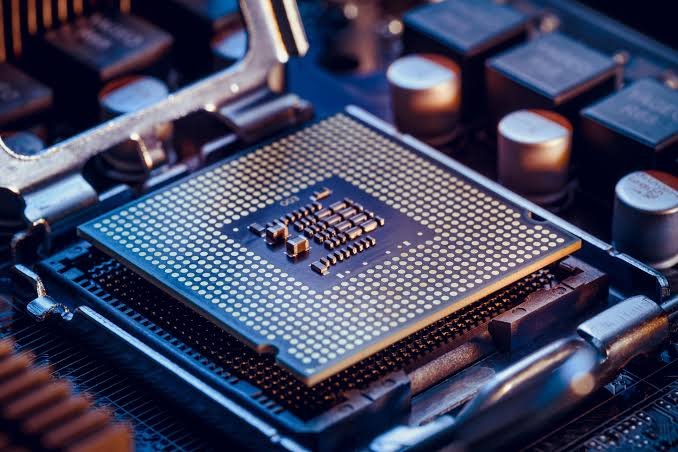
AMD is working with TSMC and Taiwan's semiconductor supply chain to expand wafer, advanced packaging and substrate capacity as it prepares for higher MI450 and MI455 AI accelerator production.
AMD Chair and CEO Dr Lisa Su has visited Taiwan to meet TSMC and other supply chain partners as the chipmaker prepares for continued growth in artificial intelligence infrastructure.
During the visit, Su said AMD's previously announced plan to invest more than US$10 billion in Taiwan's industrial ecosystem remains on track, with further investment expected. The company is increasing supply during 2026 and anticipates another significant expansion in 2027 as demand for AI products, including CPUs and GPUs, continues to exceed earlier expectations.
The growth is also requiring AMD's manufacturing partners to prepare additional capacity. TSMC, backend manufacturing companies and substrate suppliers are among those expanding operations to support higher production volumes.
AMD Moves from Short-Term to Five-Year Capacity Planning
The rapid expansion of AI computing is changing how AMD plans manufacturing capacity with its suppliers.
Su said the company previously planned capacity roughly one to two years in advance. That horizon has now stretched to three, four and in some cases five years as AMD seeks to secure the infrastructure required for future generations of processors.
Longer-term planning is particularly important because additional wafer fabrication capacity alone is not sufficient. Packaging, substrates and other parts of the semiconductor manufacturing chain must expand in parallel if AMD is to increase AI processor shipments at the required pace.
Advanced Packaging Becomes a Key Capacity Requirement
Advanced packaging remains an important part of AMD's expansion strategy.
Growing production of AI accelerators is increasing demand for TSMC's CoWoS packaging technology, while AMD is also examining additional packaging approaches with Taiwanese supply chain partners, including Fan-Out Panel-Level Packaging, or Fan-Out PLP.
Su indicated that AMD does not view Fan-Out PLP as a replacement for CoWoS. Instead, different advanced packaging technologies are expected to support future product generations as AI processors become larger and more complex.
MI450 and MI455 Drive the Next Capacity Ramp
AMD's capacity preparations coincide with the introduction of its next-generation AI platforms.
According to the report, production of AMD's MI450 series began during the second half of 2026, with manufacturing at TSMC starting in the third quarter. Production is expected to increase towards the end of the year before moving to higher-volume shipments during 2027.
AMD is also preparing for the subsequent MI455 generation, which is expected to enter production during the first half of 2027.
Asked whether TSMC would have sufficient capacity to support AMD's requirements, Su said the company was working closely with all of its manufacturing partners.
She also expressed confidence in the progress of TSMC's Arizona manufacturing expansion, as AMD looks to a broader global production network to support future demand.
Taiwan Supply Chain Gains from AMD's AI Server Expansion
AMD's AI growth is extending beyond semiconductor manufacturing and into Taiwan's wider server supply chain.
Foxconn is among the Taiwanese companies participating in AMD's AI infrastructure ecosystem. The company is involved across areas ranging from substrates and thermal management to the assembly of complete AI server systems for cloud providers including Microsoft and Oracle, according to the report.
Foxconn also supplies high-speed switching and optical transmission equipment used alongside AMD-based server platforms.
AMD Looks to Secure Memory Supply
Memory has emerged as another critical element of AMD's capacity strategy as AI accelerators require increasingly large volumes of high-bandwidth memory.
Su said AMD was working closely with memory manufacturers to secure adequate supply. Her Taiwan visit was expected to be followed by travel to South Korea, home to two of the world's largest memory suppliers, Samsung Electronics and SK hynix.
Samsung is reportedly preparing to supply sixth-generation HBM4 memory for AMD's future GPUs. Discussions between AMD and Samsung could also extend beyond memory into areas including mobile devices and AI PCs, while the market is also watching for possible meetings between Su and executives from SK hynix and LG Electronics.
The shift towards three-to-five-year capacity planning highlights how AI demand is affecting investment decisions throughout the semiconductor value chain. For AMD, securing sufficient foundry capacity is only one part of the challenge. Advanced packaging, substrates, HBM and server manufacturing capacity will increasingly need to be planned together as the company scales its next generation of AI platforms.