UL Solutions Launches Certification Programme for Liquid Cooling Components in AI Datacentres
The new programme evaluates cold plates, manifolds and quick disconnects for coolant compatibility, leak integrity, pressure, flow and interoperability to support safer, more reliable AI datacentre cooling.
- AI chips generate intense heat, making effective cooling essential to data centre performance and reliability.
- The certification provides a consistent way to assess critical cooling components before deployment in AI data centres.
- Certification can help manufacturers demonstrate product readiness and help data centre customers make informed purchasing and integration decisions.
UL Solutions Inc. (NYSE: ULS), a global leader in applied safety science, launched a certification program for liquid cooling subassemblies that target powerful chips directly, providing more effective cooling in AI data centres and other high-density computing systems.
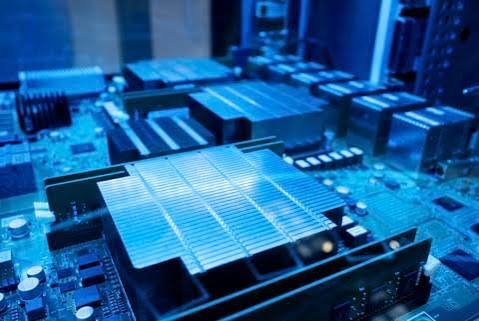
AI computers use chips that produce a large amount of heat. If that heat is not removed, equipment may slow down, shut off or become damaged, but traditional air cooling, such as fans or chilled air, may not be enough for today’s most powerful computing systems. With direct-to-chip liquid cooling, coolant flows through a cold plate that is attached to the chip. The coolant absorbs heat from the chip and carries it away, much like water flowing through a radiator.
“As AI data centres handle more powerful computing, they depend on even more advanced cooling systems to operate safely and reliably,” said Jennifer Scanlon, president and CEO of UL Solutions. “Our certification helps IT equipment manufacturers demonstrate product performance and safety while giving data centre operators greater confidence during integration.”
AI and other high-performance computing systems are increasing energy use and heat in data centres. Global data centre electricity use is expected to more than double between 2024 and 2030. Cooling can account for up to 40% of a data center’s energy use. Liquid cooling can improve heat control, but it also brings risks. Leaks, corrosion, contamination or parts that do not work well together can affect system safety, performance and reliability.
Connecting parts from different suppliers can also be a challenge. Parts may fit together but require different coolants, pressure levels or operating conditions. Industry observers have identified integration problems and limited standards as barriers to wider use of liquid cooling.
The UL Solutions certification program covers eligible liquid-filled parts and subassemblies that move coolant through information and communication technology equipment. These may include:
- Cold plates, which absorb heat directly from computer chips
- Manifolds, which send coolant to servers and equipment racks
- Quick disconnects, which allow equipment to be serviced without draining the full cooling system
UL Solutions uses UL 4501, the Outline of Investigation for Safety, Performance and Interoperability of Liquid-Filled Components and Assemblies Used in Liquid Cooling Systems, to evaluate eligible liquid cooling subassemblies. The evaluation covers coolant compatibility, pressure and leak integrity, durability, liquid flow, interoperability, production controls and installation requirements.
Evaluating these parts before adding them to a complete cooling system can help identify problems earlier and reduce the need for repeated testing. Independent certification demonstrates that an eligible product meets applicable requirements. This helps manufacturers support their product claims and helps data centre customers make informed buying and integration decisions.
“AI infrastructure must scale without sacrificing safety or reliability,” said Milan Dotlich, vice president and general manager of Data Centre Solutions at UL Solutions. “Independent evaluation of liquid cooling components can help organisations deploy advanced computing systems with greater confidence.”
UL Solutions can also evaluate other data centre cooling equipment under applicable UL Standards. This equipment includes coolant distribution units, self-contained liquid-filled systems, liquid-cooled busways, cables, connectors, power whips, gaskets, O-rings and hoses. Requirements depend on each product’s design, function and intended use.