Epinal Develops Semiconductor Biosensor for Breath-Based Drug Detection and Disease Screening
26 November 2026 |
Interaction
The company's semiconductor electrochemical biosensor combines chip technology, electrochemical sensing and AI to detect trace substances in breath, with human trials planned ahead of commercial production in 2028.
After more than six years of development, Epinal has emerged from stealth with a semiconductor-based breath-testing platform designed for rapid, portable narcotics screening. The company is preparing human trials to validate its technology, while exploring future applications in tuberculosis detection, cancer screening and other medical diagnostics. Semicon Leaders Asia speaks with Mark Wong, Chief Executive Officer, Epinal, Inc about its semiconductor electrochemical biosensor technology, potential applications in healthcare and public safety, commercial partnerships and the challenges of bringing its first products to market by 2028.
01 Epinal has officially emerged from stealth mode after more than six years of development. What inspired the company to develop its Semiconductor Electrochemical Biosensor, and what makes this technology different from existing breath-testing solutions?
The concept of a portable, low-cost, and tamper-proof test for narcotics became a passion project for my business partner and I after we both had loved ones experience struggles with drug use and addiction. The challenge was to find a technology with the sensitivity and accuracy needed detect trace amounts of drugs and/or their metabolites in a breath sample. Nothing in the world existed that could meet the sensitivity, accuracy, size and cost needed for a portable application. This is why we created the Semiconductor Electrochemical Biosensor (SEB) to meet all of these requirements.
02 Your biosensor combines semiconductor technology, electrochemical sensing, protein engineering and artificial intelligence. How do these technologies work together to improve the speed, accuracy and reliability of breath-based testing?
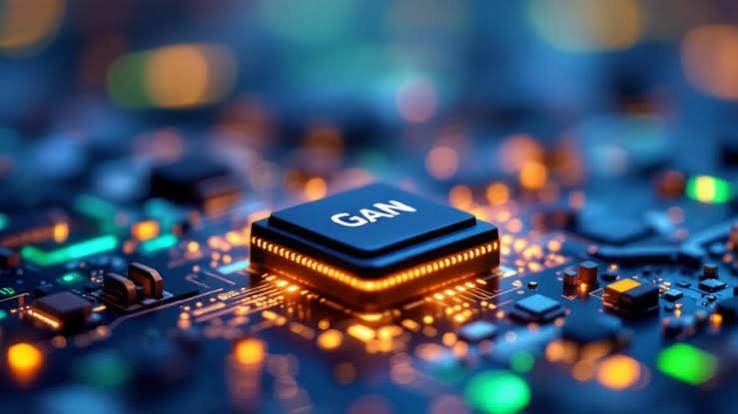
Utilizing our extensive experience in the semiconductor industry, we took the approach of designing a never before-seen chip-based sensor module that would meet the sensitivity and accuracy needs to detect trace substances in a breath sample. By combining semiconductor chip design, electrochemical sensing, protein engineering and artificial intelligence, our SEB technology platform allows us to create a matrixed array of multiple sensors pads functionalized with uniquely engineered proteins that will electrochemically attach to a target substance to create and recognize “digital fingerprints” of each target. The AI software will take the readings of each breath sample and compare it to the digital fingerprints of the target narcotics, as well as known interferents that cause false positives, and provide a calibrated result in less than five minutes.
03 Epinal is initially targeting narcotics detection through low-cost, disposable breathalyzer cartridges. What advantages could this approach offer over existing drug-testing methods, and which markets do you see as the biggest opportunities?
The biggest advantages of a breath-based test over existing testing methods including blood, urine, and saliva are based around the detection windows and what they tell us for each test method. The presence of certain drugs like THC can stay in urine or blood samples for weeks or months. Saliva can still show positive results for days. Breath based tests have a detection window of about 2-4 hours after consumption because the body has to be actively metabolizing a substance in order for it to show up in breath. This is the only test that can truly prove recent use and more importantly, potential impairment.
This test for impairment has opened opportunities across multiple markets. Home use for families, Law Enforcement, and pre-employment drug testing were the clear target markets from the start. Other key markets that have gained significant traction include drug rehabilitation and recovery centers, hospital emergency rooms, first responders, and overall safety procedures surrounding transportation and logistics. Being able to test fleet drivers, heavy equipment operators, and pilots at the beginning, middle (when necessary on longer shifts) and end of their shifts help significantly reduce the risk of accidents, injuries, or death from impaired operators.
04 Beyond narcotics detection, Epinal plans to use its biosensor for identifying disease biomarkers and monitoring health conditions. Which medical applications are you focusing on first, and how could breath-based testing change the way diseases are detected and monitored?
The initial health condition we have explored is the detection of Tuberculosis. Being able to reduce the test and quarantine times for patients suspected of TB infection from 3 days to 5 minutes would transform the way society combats the spread of infectious diseases. Eventually, the goal is to use our SEB platform to detect the onset of severe medical conditions like Parkinsons or various Cancers through unique biomarkers that appear in the human body. Once the body is affected by these conditions, the overall body chemistry changes and these biomarkers appear in breath. Being able to detect any cancer at Stage 1, before most patients become symptomatic, exponentially increases the likelihood of successful treatment and survival. Much like mammograms and self-checks are critical for early detection and survival for breast cancer, being able to detect early onset of other cancers would save countless lives around the world.
05 Epinal is targeting customers including healthcare companies, medical device manufacturers and smartphone makers. What kind of interest are you seeing from potential partners, and how do you plan to bring this technology into commercial products?
We have seen massive interest from our potential partners. 10 states across the US have been working with us to be our first partners to trial our technology in the real world. This is with various levels of law enforcement as well as numerous State level Departments of Health and Human Services that run drug recovery centers and hospitals. We are also working a some strategic partners to develop reference designs to help utilize our SEB technology and proliferate the commercial roll-out worldwide.
06 Epinal expects its biosensor technology to enter production in 2028. What are the key milestones you need to achieve before commercialization, particularly in product validation, manufacturing and regulatory approvals?
The main milestones to achieve before production ramp in 2028 are our human trials. We are currently setting up our first human trial with a university partner in Europe before we conduct our field trials with our current customer pipeline. This validation data from actual humans with known and unknown narcotics in their system will be critical before full production ramp can happen. Luckily, there are no regulatory approvals needed for our technology. Much like saliva-based drug tests, our technology will be used as a pre-test or screening which is then validated with an existing blood or urine test. With enough confirmation data, we can then work with lawmakers and the FDA to create a new classification and certification to use our technology as a stand-alone diagnostic tool. This will be more important for the next generation products focused on health conditions.