UMC Begins Mass Production of Silicon Photonics Wafers in Singapore for AI Data Centres and Optical Networking
Commercial production of 300 mm silicon photonics wafers strengthens UMC's AI semiconductor strategy, supporting high-speed optical interconnects, hyperscale data centres and next-generation cloud infrastructure.
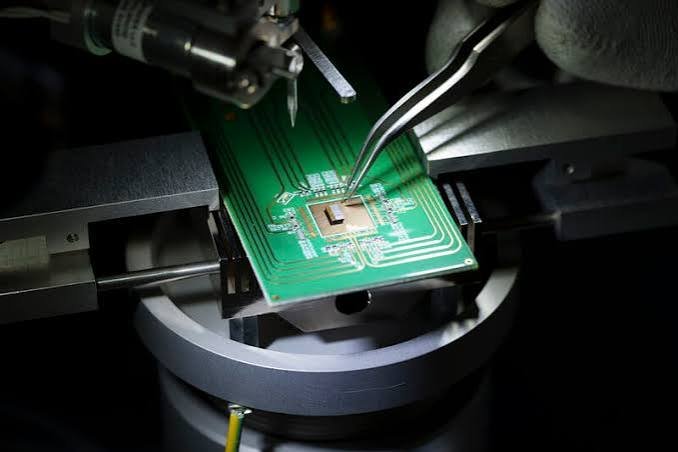
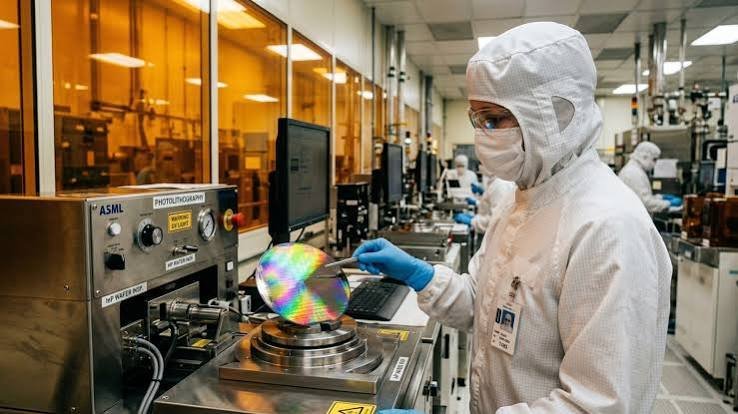
United Microelectronics Corporation (UMC) has started commercial production of silicon photonics wafers at its 300 mm manufacturing facility in Singapore, strengthening its capabilities in optical semiconductor technologies as demand for artificial intelligence (AI) infrastructure and high-speed data communications continues to rise.
The milestone follows a joint development programme with Singapore-based semiconductor company SILITH Technology, which enabled the rapid transition from technology development to volume manufacturing. The collaboration is aimed at meeting growing industry requirements for faster and more energy-efficient optical interconnect solutions used in AI servers, cloud computing platforms and hyperscale data centres.
The silicon photonics wafers are designed to support optical communication systems capable of delivering data transmission speeds of up to 1.6 Tbps, helping address the increasing bandwidth demands created by AI workloads and data-intensive applications. By integrating optical and semiconductor technologies, silicon photonics offers improved transmission efficiency while reducing power consumption compared with conventional electrical interconnects.
Building on the successful production ramp-up, UMC plans to make its proprietary 300 mm silicon photonics manufacturing platform available to customers from 2027. The company is also working on next-generation optical technologies, including higher-speed solutions capable of supporting future AI computing architectures and advanced networking systems.
The production launch comes as market sentiment towards UMC continues to improve. Industry analysts expect stronger business performance during the second half of the year, supported by recovering demand across key semiconductor markets and increasing investment in AI-related applications. Recent revenue growth has also reflected improving utilisation rates and a healthier outlook for mature-node foundry services.
Singapore has become an increasingly important location for advanced semiconductor manufacturing, supported by its well-established supply chain, skilled workforce and continued investment in high-value technologies. UMC's latest production milestone further reinforces the country's position as a strategic hub for next-generation semiconductor manufacturing and optical communication technologies.
As AI infrastructure expands worldwide, demand for silicon photonics is expected to accelerate, with foundries and technology providers investing in new manufacturing capabilities to support faster, more energy-efficient data transmission across future computing platforms.