Lasertec and Japanese Semiconductor Stocks Gain as AI Chip Demand Accelerates
Rising AI infrastructure investment is strengthening opportunities for Japanese chip equipment companies, with Lasertec positioned to benefit from advanced semiconductor manufacturing.
Japan’s semiconductor industry is gaining renewed investor attention as rising demand for artificial intelligence infrastructure creates opportunities for companies supplying equipment and technologies to the chip sector. Among the companies highlighted in a recent market screen are Lasertec and two other Japanese businesses identified for their growth potential and significant insider ownership.
The analysis focused on companies included in a broader screen of fast-growing Japanese stocks with high insider ownership. While the screen identified numerous businesses meeting those criteria, Lasertec stands out because of its close connection to semiconductor capital spending and the continued expansion of advanced chip manufacturing.
Lasertec Benefits from Advanced Semiconductor Investment
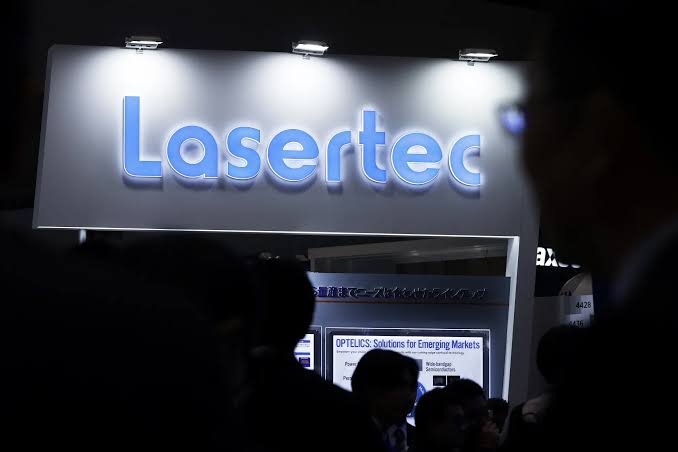
Yokohama-based Lasertec specialises in inspection and measurement equipment used in semiconductor manufacturing. Its portfolio includes systems for inspecting EUV masks and wafers, as well as equipment supporting silicon carbide and gallium nitride power devices and other microscopy applications.
The company has built a strong position in the semiconductor inspection market, supplying technologies that allow chip manufacturers to identify defects and improve production processes for increasingly sophisticated devices. Its exposure to advanced semiconductor manufacturing means that continued investment in leading-edge production capacity could provide an important growth opportunity.
Lasetec generated approximately ¥230.5 billion in revenue during its latest full financial year, while net income reached around ¥77.5 billion. The company is also expected to record annual earnings growth of roughly 19.7%, according to the forecasts referenced in the analysis.
AI Demand Supports Semiconductor Equipment Market
The rapid expansion of AI computing is increasing investment in advanced semiconductor manufacturing, creating opportunities for companies involved in chip production equipment. As manufacturers move towards more complex process technologies, inspection and measurement systems are becoming increasingly important for maintaining yields and product quality.
Lasertec's exposure to EUV-related manufacturing, together with its involvement in inspection technologies for SiC and GaN devices, gives the company exposure to several areas of the semiconductor market. However, its performance remains closely linked to capital expenditure by chip manufacturers and foundries, meaning the business remains sensitive to shifts in the semiconductor investment cycle.
Investor Interest Extends Beyond Lasertec
The market screen highlighted Lasertec alongside other Japanese companies that combine growth prospects with substantial insider ownership. Such characteristics can attract investors looking for businesses where management and major shareholders have a meaningful financial interest in long-term performance.
The broader screening exercise identified dozens of companies meeting its criteria, suggesting that investor interest in Japanese growth stocks extends well beyond the semiconductor sector. However, companies directly exposed to AI infrastructure and advanced chip production could remain particularly relevant as global spending on AI data centres and computing infrastructure continues to increase.
Semiconductor Equipment Remains Closely Tied to AI Growth
The continued expansion of AI workloads is driving demand for increasingly powerful processors, advanced memory and sophisticated semiconductor manufacturing technologies. This trend is supporting investment throughout the chip supply chain, including companies providing inspection, measurement, packaging and manufacturing equipment.
For Lasertec, sustained growth in advanced semiconductor production could provide a long-term opportunity. At the same time, investors will need to consider the cyclical nature of semiconductor capital expenditure and the company's dependence on continued spending by chip manufacturers.
Overall, the growing demand for AI chips is putting Japanese semiconductor equipment companies increasingly on investors' radar. Lasertec's position in advanced inspection technologies gives it direct exposure to this trend, although future performance will depend on the pace of semiconductor investment and the broader technology cycle.