Samsung Exynos 2700 Reportedly Beats Qualcomm Snapdragon 8 Elite Gen 6 in Performance Tests
Samsung’s upcoming Exynos 2700 reportedly delivers stronger CPU, GPU and AI performance with improved power efficiency, boosting its prospects for next-generation Galaxy flagship smartphones.
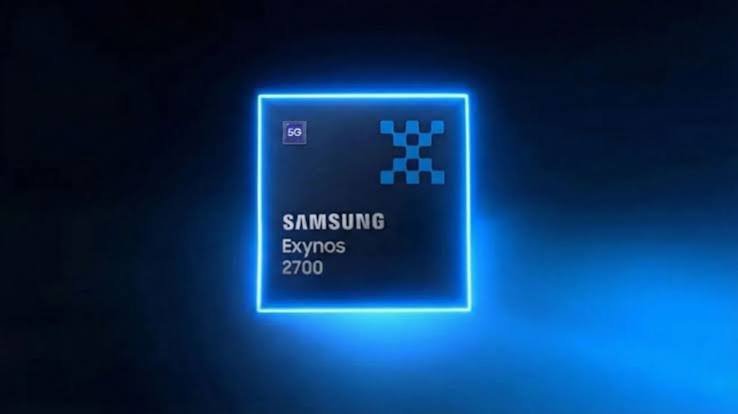
Samsung Electronics’ next-generation mobile processor, the Exynos 2700, has reportedly delivered stronger results than Qualcomm’s upcoming Snapdragon 8 Elite Gen 6 in internal performance testing, according to industry sources.
The reported results suggest that Samsung’s latest in-house application processor could strengthen its position in the premium smartphone market and potentially reduce the company’s dependence on externally sourced chips.
Exynos 2700 Shows Gains Across Key Performance Areas
Samsung’s Mobile Experience division is said to have compared the Exynos 2700 with Qualcomm’s next-generation Snapdragon platforms in internal benchmark tests.
According to the report, the Exynos 2700 demonstrated advantages across several areas, including CPU performance, graphics processing, AI workloads and power efficiency.
In Geekbench 6.5 multi-core testing, the Exynos 2700 reportedly achieved a score around 19% higher than the standard Snapdragon 8 Elite Gen 6. It was also said to outperform Qualcomm’s higher-end variant by approximately 9.5%.
The processor also showed competitive graphics performance. At peak performance levels, the Exynos 2700 reportedly delivered results around 5% higher than Qualcomm’s top-tier model.
Its advantage appeared more significant under lower-power conditions. At a power level of 2.5W, Samsung’s processor was reportedly around 24% faster than the standard Snapdragon chip and approximately 22% ahead of the higher-end variant, indicating stronger graphics efficiency.
AI and Power Efficiency Also Improve
Samsung’s upcoming processor was also reported to perform well in AI-related tests.
When running the Llama 3.1 8-billion-parameter model, the Exynos 2700 reportedly generated responses around 18% faster than Qualcomm’s premium platform. It was also said to process user prompts roughly 5% faster in the reported tests.
In a separate power consumption evaluation designed to simulate real-world smartphone use, the Exynos 2700 reportedly consumed 161mA, compared with 185mA for Qualcomm’s higher-end chip — representing a potential reduction of approximately 12.7%.
Samsung has not confirmed the specific benchmark results.
Built on Samsung’s Second-Generation 2nm Process
The Exynos 2700 is expected to be manufactured using Samsung Foundry’s second-generation 2nm process technology, SF2P. The process is designed to improve power efficiency, thermal characteristics and computing performance compared with earlier generations.
The chip is expected to arrive next year, and industry attention is now focused on whether Samsung could expand the use of its own processors in future flagship smartphones, including the possible Galaxy S27 series.
Samsung Could Reduce Reliance on Qualcomm
A more competitive Exynos platform could help Samsung reduce its dependence on external suppliers such as Qualcomm and potentially lower the cost of sourcing application processors.
Samsung reportedly spent KRW 13.83 trillion on application processor solutions last year, representing an increase of 26.5% from the previous year. During the first half of this year, spending on mobile processors supplied by companies including Qualcomm and MediaTek reportedly reached KRW 7.44 trillion.
The reported Exynos 2700 results therefore carry strategic significance for Samsung. If the processor performs competitively in commercial devices, the company could strengthen its control over its smartphone semiconductor supply chain while reducing procurement costs.
However, the figures are based on internal testing and have not been independently verified. Final performance may also differ once the processor reaches commercial production and is integrated into consumer smartphones.