SK hynix Reviews Chongqing Packaging Operations as AI Demand Drives HBM Expansion
South Korea’s memory chipmaker reassesses its China packaging footprint while expanding advanced packaging and HBM capacity to support the growing AI semiconductor market.
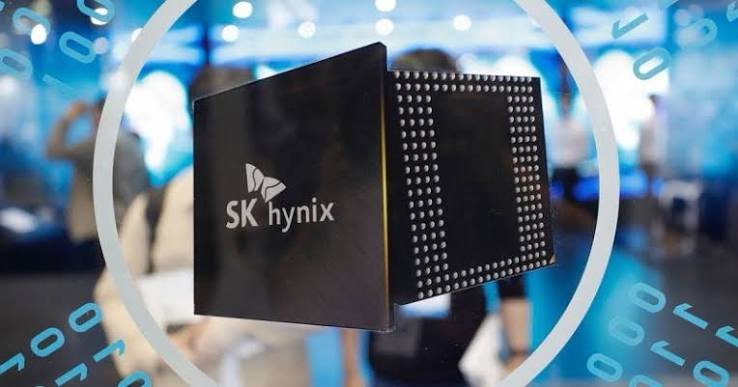
South Korean memory semiconductor manufacturer SK hynix is reviewing the future of its packaging operations in Chongqing, China, as the company adjusts its manufacturing strategy to meet rapidly rising demand for artificial intelligence (AI) memory.
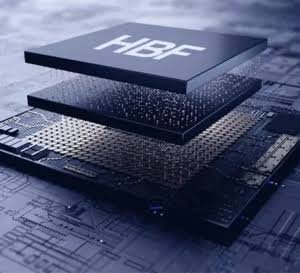
The review comes as SK hynix continues to increase its focus on high-bandwidth memory (HBM) and advanced packaging technologies, which have become increasingly important to AI accelerator manufacturers. The company is also pursuing significant investments in new production capacity as demand for AI-related memory remains strong.
Chongqing Facility Under Review
SK hynix operates several manufacturing and packaging facilities in China, including its Chongqing site. The company is now assessing how the facility fits within its longer-term production network and the changing requirements of the global memory market.
The review reflects the broader shift in SK hynix's manufacturing priorities towards products designed for AI computing. HBM requires sophisticated packaging and testing processes, making advanced packaging capacity an increasingly important part of the company's supply strategy.
SK hynix has been expanding its advanced packaging footprint in South Korea, including investment in its P&T7 facility in Cheongju, as it seeks to increase capacity for next-generation memory products.
AI Boom Increases Demand for HBM
The rapid expansion of AI data centres has significantly increased demand for high-performance memory. HBM enables AI processors to access large volumes of data at high speeds while helping manage power and bandwidth requirements.
SK hynix has emerged as one of the leading suppliers of HBM, with its products used in AI computing platforms from major technology companies. The company is continuing to invest in production capacity to maintain its position as AI infrastructure spending expands.
The company has also been developing newer generations of HBM and advanced packaging technologies, reflecting the increasing complexity of AI accelerators and the need for tighter integration between processors and memory.
Manufacturing Strategy Evolves
The Chongqing review highlights how AI demand is influencing the geographical distribution of semiconductor manufacturing. While China remains an important part of SK hynix's global production network, the company is simultaneously expanding advanced manufacturing and packaging capabilities in South Korea.
This approach allows SK hynix to align its production infrastructure with changing customer requirements while prioritising technologies that are expected to generate stronger growth in the AI semiconductor market.
The company has recently announced major shareholder-return measures alongside continued investment in manufacturing capacity, illustrating the need to balance capital expenditure with investor expectations. SK hynix plans to repurchase and cancel approximately KRW 40 trillion (US$28.6 billion) of its own shares, while committing to return more than half of its free cash flow between 2025 and 2027.
Focus Shifts Towards Advanced AI Memory
For SK hynix, the review of its Chongqing packaging operations comes against a backdrop of strong AI-related demand but increasing pressure to allocate capital efficiently.
The company is expected to continue prioritising HBM, advanced packaging and other high-value memory technologies as AI infrastructure investment drives the next phase of semiconductor growth. Its ongoing investments indicate that advanced memory manufacturing will remain central to SK hynix's strategy, while older or less strategically aligned facilities may face reassessment.
The development also underlines a wider trend across the semiconductor industry: manufacturers are increasingly reshaping production networks around the technologies and locations best positioned to support the AI-driven memory cycle.