Japanese Chip Equipment Makers Shift Focus as China Demand Weakens
Slowing orders from China are prompting Japanese semiconductor equipment suppliers to target AI-driven growth opportunities in South Korea and Taiwan, where investment in advanced chip manufacturing continues to accelerate.
Japanese semiconductor equipment manufacturers are facing changing market conditions as demand from China slows, prompting the industry to look increasingly towards growth opportunities linked to artificial intelligence and advanced chip production elsewhere in Asia.
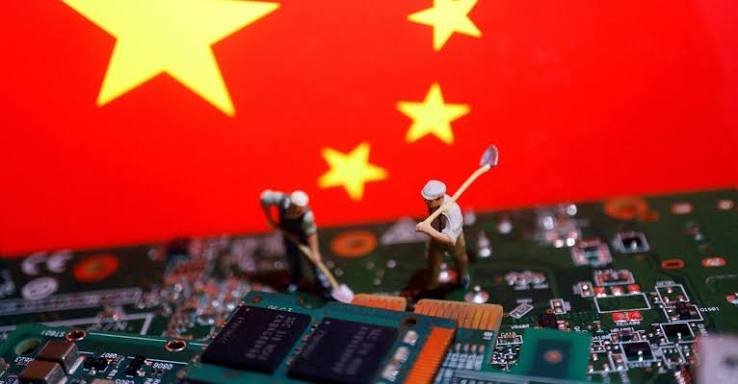
China has traditionally been a major destination for Japanese chipmaking equipment, but recent market trends indicate a reduction in purchasing activity. Industry observers attribute the slowdown to a combination of tighter international technology restrictions and China's ongoing efforts to develop a more self-sufficient semiconductor supply chain.
The emergence of domestic Chinese equipment suppliers is gradually altering procurement strategies among local chipmakers, reducing reliance on overseas vendors in certain manufacturing segments. This trend has created additional competitive pressure for established foreign suppliers operating in the market.
While business activity in China has moderated, semiconductor investment in other parts of Asia remains robust. South Korea continues to expand capacity for high-bandwidth memory production, driven by strong demand from AI applications, while Taiwan's leading foundries are maintaining substantial investment in advanced process technologies.
These developments are helping to redirect industry spending towards regions that play a central role in the production of next-generation semiconductors. As AI-related workloads drive demand for increasingly powerful processors and memory devices, chipmakers are accelerating capital expenditure programmes to secure future manufacturing capacity.
For Japanese equipment providers, the shift presents a changing mix of risks and opportunities. Reduced sales into China may affect near-term performance, but strong demand from manufacturers investing in advanced semiconductor technologies is providing an alternative source of growth.
The evolving landscape reflects broader changes across the global semiconductor industry, where geopolitical considerations, technological competition and AI-driven investment are increasingly influencing purchasing decisions. As a result, equipment suppliers are adapting their strategies to align with emerging centres of semiconductor production and innovation.
Looking ahead, the extent to which China continues to replace imported equipment with domestically produced alternatives will be closely watched by industry participants. The outcome could have significant implications for the competitive dynamics of the global semiconductor equipment sector in the years ahead.