Wolfspeed Launches Transparent Silicon Carbide for AR and Quantum Computing
Wolfspeed's TSiC technology targets augmented reality waveguides and quantum devices, with 200 mm optical-grade substrates under development and work progressing on 300 mm wafers.
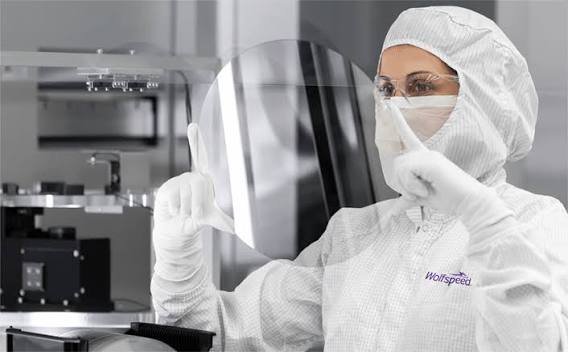
US semiconductor manufacturer Wolfspeed has announced the commercial availability of its proprietary transparent silicon carbide (TSiC) technology, extending its materials portfolio into augmented reality (AR), quantum computing and advanced optical systems.
Announced on 29 October 2026, the technology uses optical-grade silicon carbide substrates designed to minimise light absorption while maintaining high wafer flatness.
The development builds on Wolfspeed's experience in silicon carbide manufacturing, including more than 35 years of work in the material and its production of high-purity semi-insulating (HPSI) wafers.
The company is targeting applications where conventional optical materials can impose limitations on device size, image quality and thermal performance.
Transparent SiC Targets Augmented Reality Displays
One of the main applications for TSiC is the development of optical waveguides used in augmented reality glasses.
Waveguides direct light from a display into the user's field of vision, allowing digital images to appear alongside the surrounding environment.
According to Wolfspeed, silicon carbide offers several material properties relevant to these systems, including a high refractive index, low birefringence, mechanical hardness and high thermal conductivity.
A high refractive index can support wider fields of view and reduce the number of optical layers required in an AR display.
Lower optical absorption is also important for maintaining image brightness and reducing light losses as images pass through the waveguide.
Wolfspeed said its transparent substrates are designed to support more compact optical assemblies without compromising image quality.
Barry Silverstein, a display systems and optics specialist at the University of Rochester and former senior executive at Meta Reality Labs, said the optical characteristics of silicon carbide could allow a single-layer waveguide to replace more complex multilayer designs.
Such an approach could help manufacturers reduce the size and weight of AR glasses, although commercial adoption will depend on optical performance, manufacturing yields and production costs.
Quantum Computing Offers Another Application
Beyond display technologies, Wolfspeed is examining the use of transparent silicon carbide in quantum computing.
Silicon carbide is being studied as a material for quantum devices because certain defects within its crystal structure can support quantum states that may be used to store and process information.
The material also offers optical properties that could support the transmission of quantum information using light.
According to Wolfspeed, its TSiC technology could allow quantum information storage, preservation and optical transmission functions to be developed within a single silicon carbide crystal.
Combining these capabilities in one material could reduce the need to integrate multiple semiconductor and optical materials within a quantum computing system.
However, the company has not announced a commercially deployed quantum computing system using TSiC.
The technology's suitability for practical quantum devices will depend on further research, device development and demonstrations of reliable quantum performance.
Wolfspeed Expands Silicon Carbide Materials Portfolio
Katrin Feurle, Vice President, Beyond Power at Wolfspeed, said the introduction of TSiC extends the company's silicon carbide technology into applications outside conventional power semiconductors.
The company is seeking to apply its materials manufacturing experience and intellectual property to optical and quantum technologies.
Wolfspeed has traditionally focused on silicon carbide substrates and power semiconductor devices used in electric vehicles, industrial systems, renewable energy and other high-power applications.
The introduction of transparent substrates provides another application for its crystal growth and wafer processing capabilities.
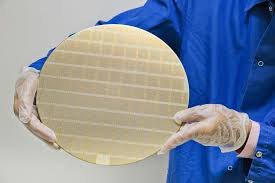
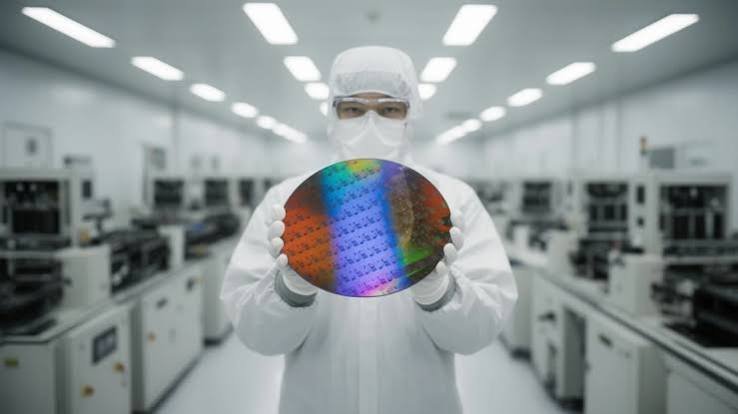
The company is continuing to develop 200 mm optical-grade silicon carbide substrates, while also working on 300 mm TSiC wafer technology to address future manufacturing requirements.
Larger wafers can increase the number of components produced during a manufacturing cycle, although the economic benefits depend on achievable yields, processing costs and customer requirements.
The announcement did not specify production volumes, customer contracts or a timetable for the commercial introduction of 300 mm TSiC substrates.
Optical Applications Create New Market Opportunities for SiC
Wolfspeed's entry into transparent silicon carbide comes as semiconductor materials suppliers examine opportunities beyond established power electronics markets.
Augmented reality systems require optical materials capable of supporting high image quality within compact and lightweight devices.
Quantum computing developers face different challenges involving material purity, quantum state stability and the integration of optical and electronic functions.
Silicon carbide's combination of optical, mechanical and thermal properties makes it a candidate for both applications.
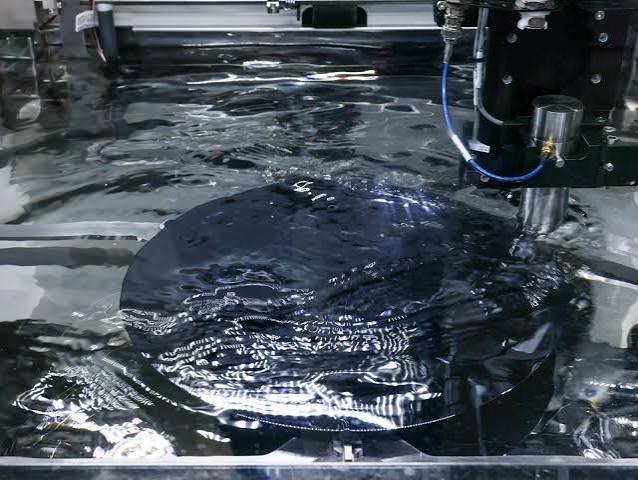
For semiconductor materials and equipment suppliers, the development could create additional requirements for high-quality crystal growth, wafer polishing, surface inspection and optical material characterisation.
The commercial outlook for TSiC will depend on whether Wolfspeed can demonstrate consistent optical performance, reliable wafer quality and competitive manufacturing costs as customers evaluate the substrates.
The immediate development priorities will centre on expanding 200 mm capabilities, advancing 300 mm wafer technology and securing customer adoption across optical and quantum applications.