Intel Patents Glass Substrate Packaging with Embedded MicroLEDs for Advanced Chip Connectivity
The approach embeds MicroLED-equipped dies in glass with through-glass vias, creating potential applications in package diagnostics, lighting and future optical interconnects.
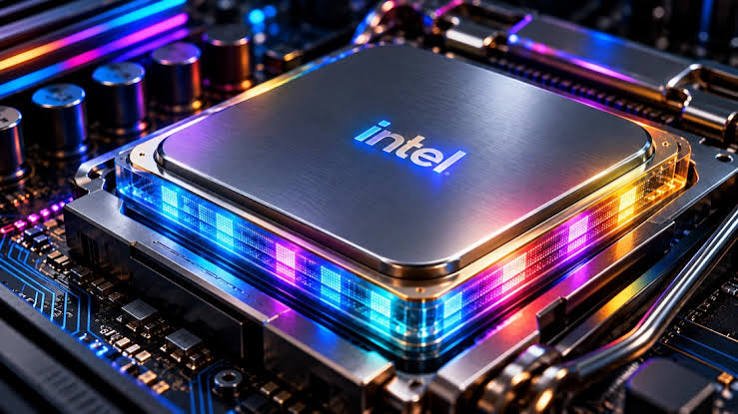
Intel has secured a US patent describing a chip-packaging approach that places MicroLEDs directly within a glass substrate, potentially opening another route towards optical connectivity inside advanced semiconductor packages. The design embeds semiconductor dies equipped with MicroLEDs into glass and uses through-glass vias (TGVs) to provide the required power and signal connections. The LEDs can produce red, green and blue light, with the patent outlining possible applications ranging from package-level diagnostics and status indicators to illuminated markings and other custom lighting effects.
The technology builds on Intel’s wider work with glass-core substrates, which the company has been developing as an alternative to conventional organic packaging materials. The manufacturing process described in the patent involves creating openings and cavities in the glass through laser and chemical etching, followed by copper plating to form the TGV connections before the MicroLED-equipped dies are embedded. Intel also describes different die orientations and the possible use of reflective structures to guide light through the package.
While the patent primarily describes lighting and diagnostic functions, the embedded MicroLED concept could also have implications for optical interconnects. Intel has separately explored MicroLED-based chip-to-chip optical communication, including configurations in which MicroLEDs transmit signals to microphotodiodes. However, the newly described packaging patent does not itself demonstrate a complete high-speed optical interconnect, meaning additional receiver and optical-routing technologies would be required before such an application could become practical.
Intel’s continuing investment in glass substrates is significant in this context. The company has said glass can support substantially higher interconnect density than organic substrates and can accommodate technologies such as optical interconnects, while also enabling larger package formats and more complex power and signal-routing designs. The latest patent therefore adds another potential use for the glass-based packaging platform, although it remains a patent-stage technology rather than a confirmed commercial product.